Seasonal Bike Prep: Getting Your Bike Ready for Spring, Summer, Autumn and Winter
Every season brings different challenges for you and your bike — road grit after winter, heat and dust in summer, wet leaves and early darkness in autumn, and salt, ice and cold in winter. A few minutes of seasonal preparation keeps your bike safe, makes riding more pleasant and saves money on worn-out parts. Use the checklists below as you move through the year.

Why seasonal bike prep matters
Most bike problems do not happen suddenly. Chains wear out faster when they are dirty, brake pads disappear quickly in wet grit, tires lose pressure in the cold and cables corrode over winter. Regular seasonal checks catch these problems while they are cheap to fix and before they leave you stranded or make your bike unsafe.
The quick check before every ride (the "ABC" check):
- A — Air: squeeze or gauge-check both tires.
- B — Brakes: squeeze both levers; they should feel firm and stop the bike.
- C — Chain and cranks: chain clean and lubricated, cranks not loose.
- Quick: quick-release levers or thru-axles closed and tight.
Spring: the post-winter tune-up
Spring is the time to wake your bike up after winter storage or months of grimy riding. Give it a thorough clean first — dirt hides problems.
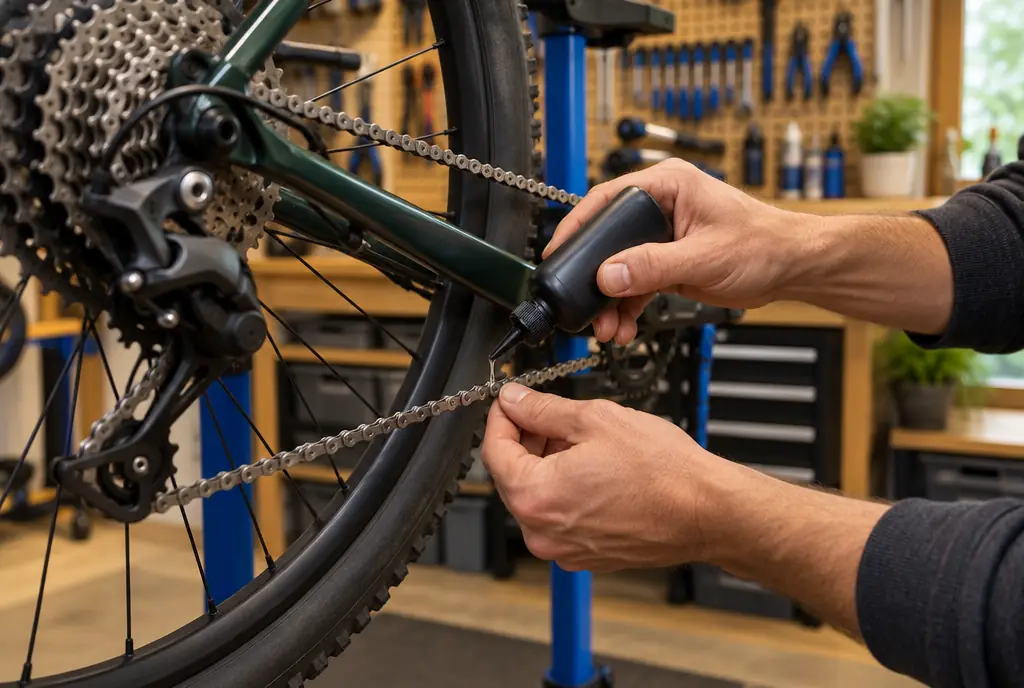
- Deep clean the frame, wheels and drivetrain. Degrease the chain, cassette and chainrings, then re-lubricate.
- Inspect tires for cracks, cuts and worn tread. Rubber that sat all winter can dry out. Inflate to the pressure printed on the sidewall.
- Check the chain for wear with a chain checker tool. Replacing a stretched chain early saves your cassette and chainrings.
- Test the brakes: check pad thickness and, for rim brakes, look at the rim wear indicators. Hydraulic brakes that feel spongy may need bleeding.
- Check shifting through every gear. Cables can stretch or corrode; a small barrel adjuster turn often fixes sluggish shifting.
- Check bolts on the stem, handlebar, seatpost and accessories — ideally with a torque wrench.
- Charge lights and e-bike batteries, and check that everything powers on.
- Suspension: clean stanchions, check air pressure (sag) and book a service if it is due.
For you: start with shorter rides to rebuild fitness gradually, and remember that drivers may not be used to seeing cyclists after winter — ride visibly and predictably.
Summer: heat, dust and long days
Summer is peak riding season — longer rides, more heat and often dusty roads and trails.
- Use a dry lube in hot, dusty conditions — it attracts less dirt than wet lube. Wipe the chain after every few rides.
- Watch tire pressure: heat increases pressure slightly, and a bike left in a hot car or in direct sun can over-inflate. Check before riding.
- Carry more water: two bottles or a hydration pack for rides over an hour in the heat. Add electrolytes on long rides.
- Protect e-bike batteries from extreme heat — do not leave them in a hot car or charge them in direct sunlight.
- Check tubeless sealant every 2–3 months; it dries faster in hot weather.
- Carry a repair kit on longer adventures: tube, levers, pump or CO2, multi-tool and a quick link for the chain.
For you: ride early or late to avoid the hottest part of the day, use sunscreen and sunglasses, wear light, breathable clothing and learn the signs of heat exhaustion — dizziness, headache, nausea and unusual fatigue mean stop, cool down and drink.
Autumn: rain, leaves and less daylight
Autumn can be the most beautiful time to ride — and the most treacherous. Wet leaves are as slippery as ice, and it gets dark earlier.
- Fit full fenders (mudguards) to keep you and your drivetrain cleaner and drier.
- Switch to a wet lube, which resists being washed off by rain.
- Upgrade your lights: a bright front light (at least 400–800 lumens for unlit roads) and a strong rear light. Use daytime flashing mode on gloomy days.
- Consider tires with more grip and slightly lower pressure for better traction on wet roads.
- Check brake pads more often — wet grit wears them quickly. Consider organic/resin pads for quieter wet-weather braking on disc brakes.
- Add reflective details to your bike, bag and clothing.
Winter: ride through it or store it well
If you ride in winter
- Rinse your bike after salty rides. Road salt is extremely corrosive to chains, bolts and aluminum. A gentle rinse with low-pressure water, then dry and re-lube the chain.
- Consider a "winter bike" — an older or cheaper bike with fenders that you do not mind exposing to salt and grime.
- Lower tire pressure slightly for grip, and consider wider tires. For ice, studded tires are a game-changer.
- Keep batteries warm: cold reduces e-bike and light battery range. Store batteries indoors and fit them just before riding.
- Check lights every ride — you will be riding in the dark more often.
- Protect contact points: lock cylinders and cables can freeze; a little lubricant helps.
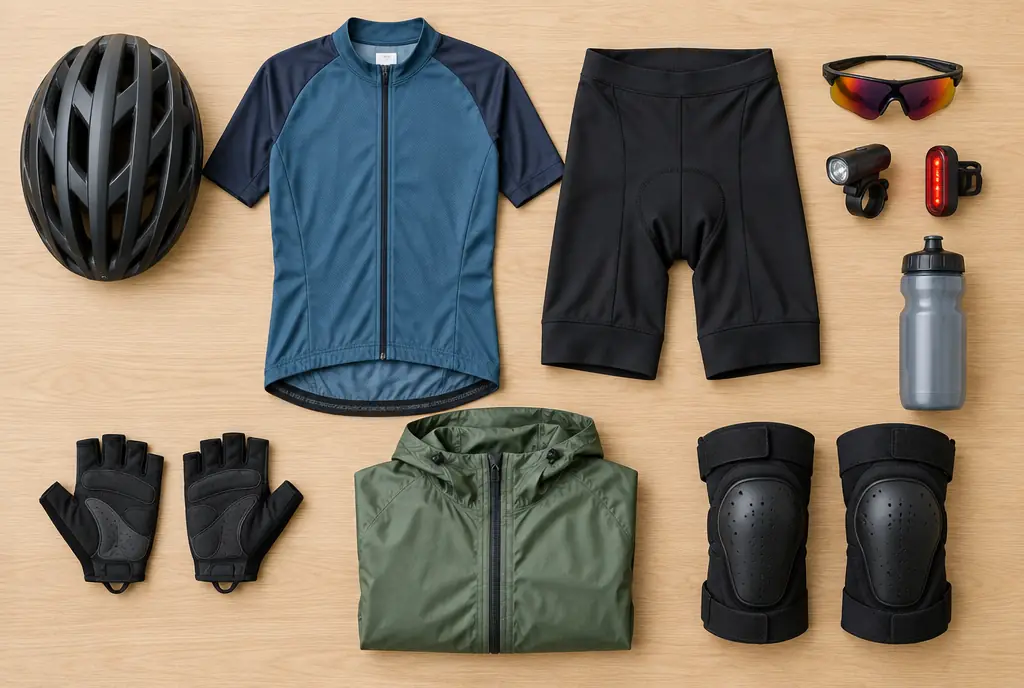
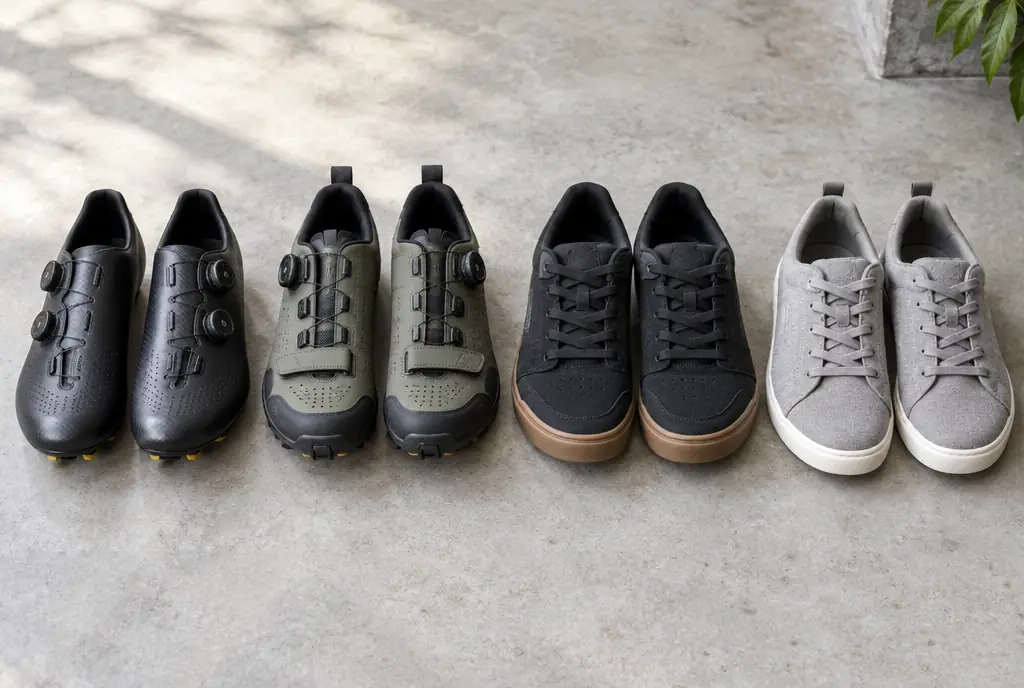
For you: dress in layers (see our clothing guide), protect hands, feet, ears and face, and remember that you lose heat quickly on descents. Winter cycling shoes or overshoes make a huge difference — see our shoe guide.
If you store your bike for winter
- Clean and dry the bike thoroughly, then lubricate the chain.
- Store it indoors in a dry place — damp sheds cause rust. Hanging it on a wall hook saves space and protects tires.
- Inflate the tires to prevent flat spots, and check them monthly.
- Store e-bike batteries indoors at about 30–60% charge (check your manufacturer's advice) and top up every couple of months.
- Cover the bike with a breathable cover if it is in a dusty space.
- Use the time to book a service, so you are ready for spring.
Year-round maintenance calendar
| Task | How often |
|---|---|
| Check tire pressure | Weekly (or before every ride) |
| Clean and lube chain | Every 150–300 km, or after every wet ride |
| Check brake pads | Monthly; weekly in wet seasons |
| Check chain wear | Every 1,000 km |
| Full wash | Every few weeks, or when visibly dirty |
| Bolt and torque check | Monthly |
| Tubeless sealant top-up | Every 2–6 months |
| Professional service | Once or twice a year |
| Suspension service | As per manufacturer (often every 50–200 riding hours) |
For step-by-step instructions on the most common jobs, see our bike maintenance and repair guide.
Frequently asked questions
Is it bad to ride a bike in the rain?
No — your bike will not be damaged by rain as long as you dry it and re-lube the chain afterward. Use fenders, good lights and brake earlier, as stopping distances increase in the wet.
Can I leave my bike outside in winter?
It is best avoided. Rain, snow and road salt cause rust and corrode components quickly. If you must store it outside, use a waterproof cover, keep the chain well lubricated and bring batteries indoors.
What tire pressure should I use in winter?
Run slightly lower pressure than usual — often 10–15% lower — for more grip, staying within the range printed on your tire. Check pressure more often, because cold air lowers pressure.
When should I get my bike serviced?
Most riders benefit from a professional service once a year, ideally before spring. Frequent riders and commuters in wet climates may need two services a year.