Types of Bikes Explained: Every Bicycle Style and What It Is For
Bicycles look similar at a glance, but small differences in frame shape, tires, handlebars and gearing make each type feel completely different to ride. This guide explains the 12 main types of bikes — what each one is designed for, its strengths and weaknesses, and who should buy it — so you can choose with confidence.
Quick comparison of bike types
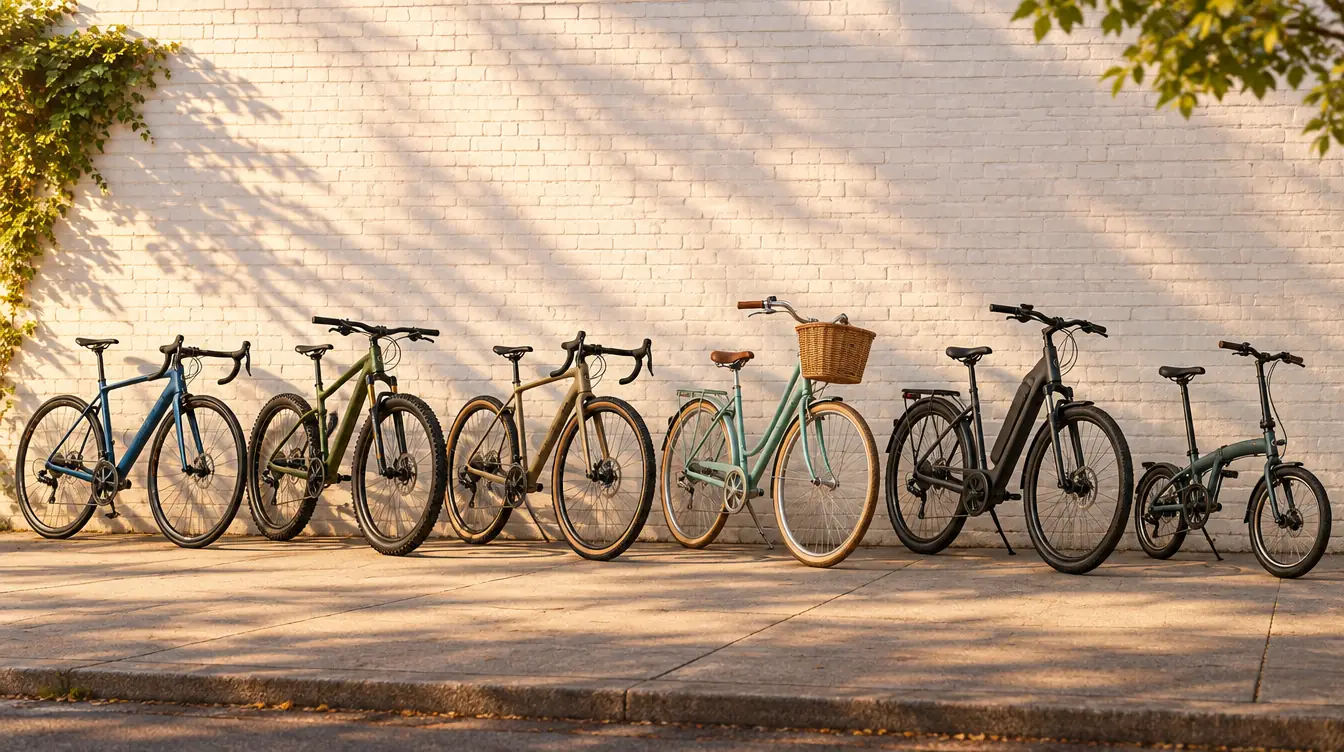
| Bike type | Best for | Terrain | Position | Typical tires |
|---|---|---|---|---|
| Road | Speed, fitness, long road rides | Pavement | Sporty, leaned forward | 25–32 mm, slick |
| Mountain | Trail riding | Dirt, roots, rocks | Neutral, wide bars | 2.2–2.6", knobby |
| Gravel | Mixed-surface adventure | Pavement + gravel | Moderate | 35–50 mm, light tread |
| Hybrid | All-round, beginners | Pavement, paths | Upright | 32–45 mm |
| City / commuter | Commuting in normal clothes | City streets | Very upright | 35–50 mm, puncture-resistant |
| E-bike | Hills, long commutes, less effort | Depends on model | Varies | Varies |
| BMX | Tricks, skateparks, racing | Parks, pump tracks | Standing | 20", wide |
| Folding | Multi-modal commuting, small homes | City | Upright | 16–20" |
| Touring | Multi-day loaded trips | Roads, light gravel | Relaxed | 35–50 mm, durable |
| Fat | Snow and sand | Snow, sand, soft ground | Neutral | 3.8–5" |
| Cargo | Kids, shopping, heavy loads | City | Upright | Wide, strong |
| Cruiser | Relaxed leisure rides | Flat paths, beach | Very upright | 2–2.5" balloon |
Road bikes
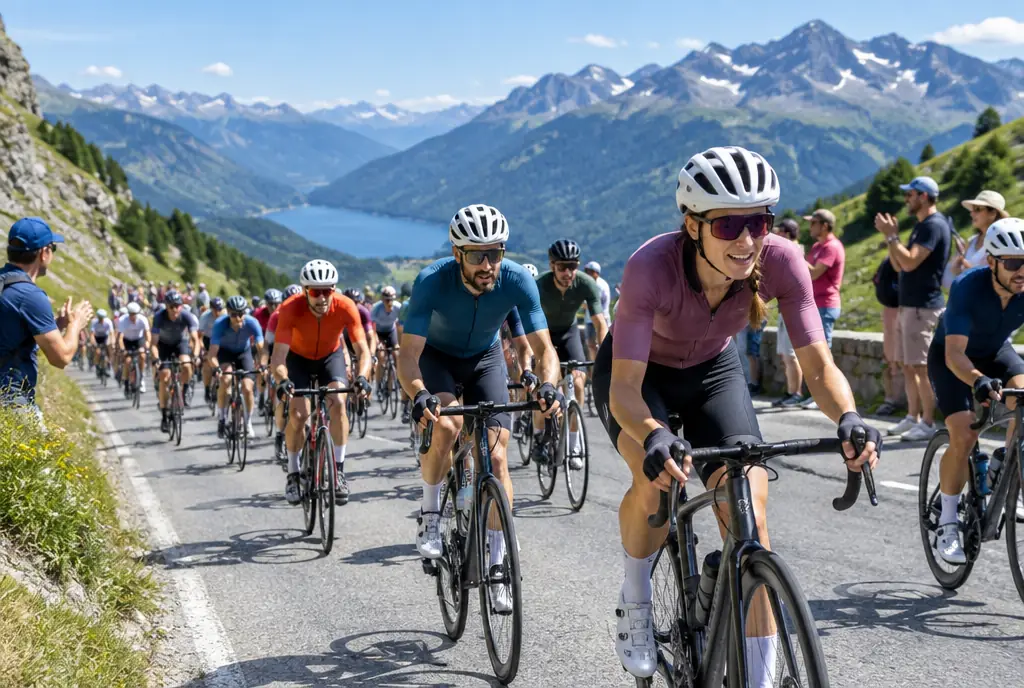
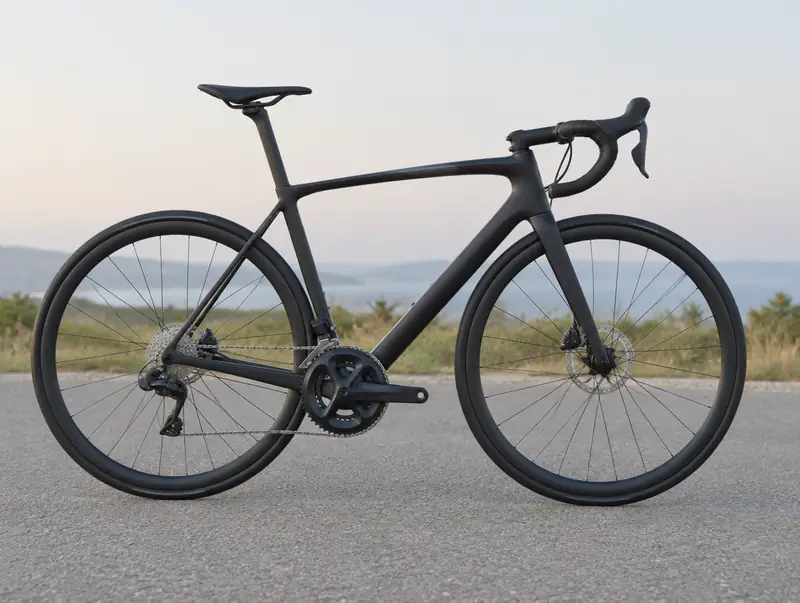
Road bikes are built for speed and efficiency on paved surfaces. They have lightweight frames (aluminum or carbon), drop handlebars that offer several hand positions and a more aerodynamic posture, and narrow, smooth tires. Within the category you will find endurance road bikes (more relaxed and comfortable for long rides), race bikes (aggressive and responsive) and aero bikes (shaped to cut wind resistance).
- Best for: fitness riding, long-distance road rides, group rides, racing.
- Not ideal for: rough trails, carrying heavy loads, very relaxed city riding.
Pros
- Fastest and most efficient on pavement
- Light and easy to climb on
- Multiple hand positions for long rides
Cons
- Less comfortable on rough roads
- Sporty position takes getting used to
- Limited tire clearance and mounts
Mountain bikes (MTB)
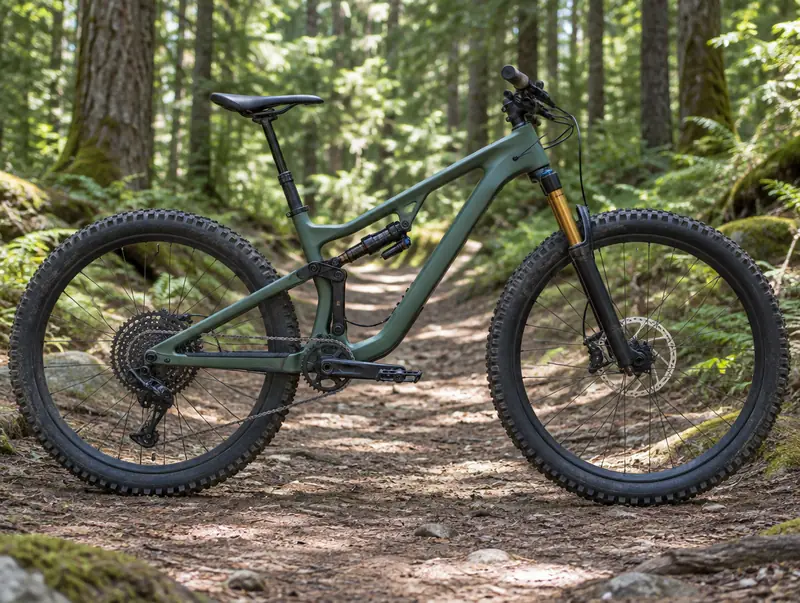
Mountain bikes are designed for off-road trails. They have wide, knobby tires, powerful disc brakes, wide flat handlebars for control, and low gears for steep climbs. Hardtails have front suspension only — lighter, simpler and cheaper. Full-suspension bikes also have rear suspension for more comfort and control on rough ground. Sub-types range from cross-country (XC, light and fast) through trail (the all-rounder) to enduro and downhill (built for steep, technical descents).
- Best for: singletrack, forest trails, bike parks, rough terrain.
- Not ideal for: long road rides — heavy and slow on pavement.
Pros
- Excellent control and grip off-road
- Tough and durable
- Confidence-inspiring brakes
Cons
- Heavy and slow on roads
- Suspension needs maintenance
- Good full-suspension bikes are expensive
Gravel bikes
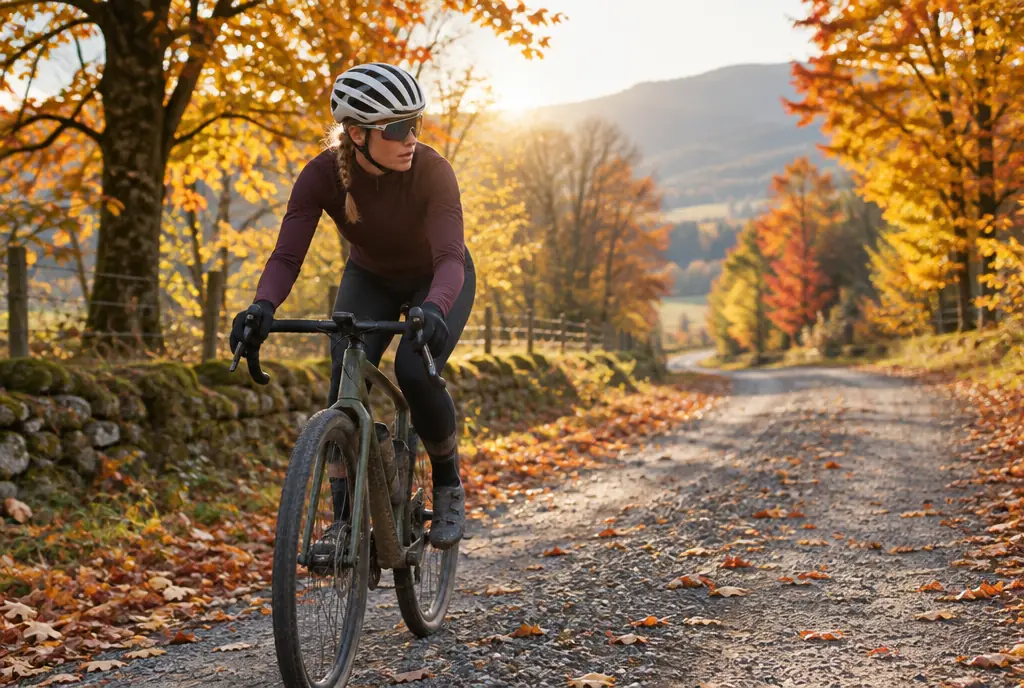
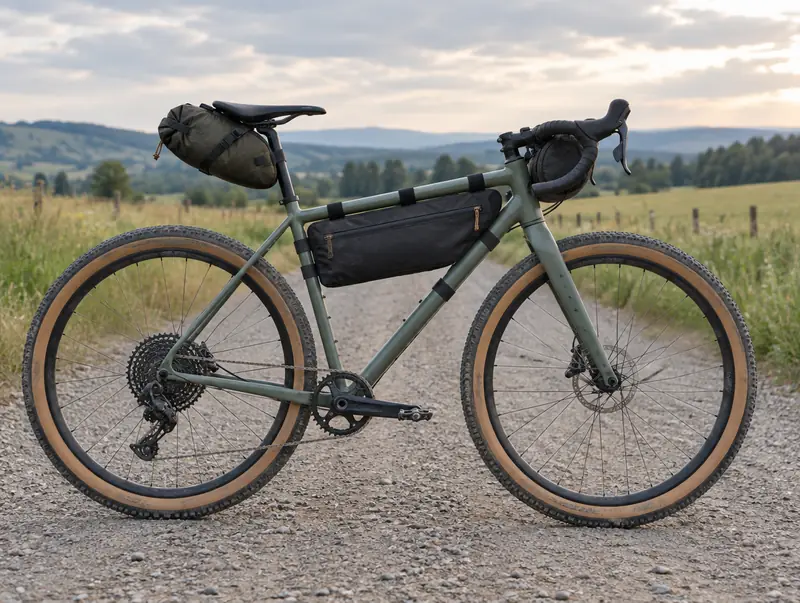
Gravel bikes look like road bikes but have wider tires, more stable geometry, disc brakes and lower gears. They are fast on pavement yet comfortable and capable on dirt roads, forest tracks and broken asphalt. Plenty of mounts for bags, racks and bottles make them a favorite for bikepacking. For many riders, a gravel bike is the best "one bike for everything" with drop handlebars.
- Best for: mixed-surface rides, adventure, bikepacking, rough-road commuting.
- Not ideal for: technical mountain bike trails or pure road racing.
Pros
- Extremely versatile
- Comfortable wide tires
- Lots of luggage mounts
Cons
- A bit slower than a road bike on smooth roads
- Limited on truly technical trails
Hybrid bikes
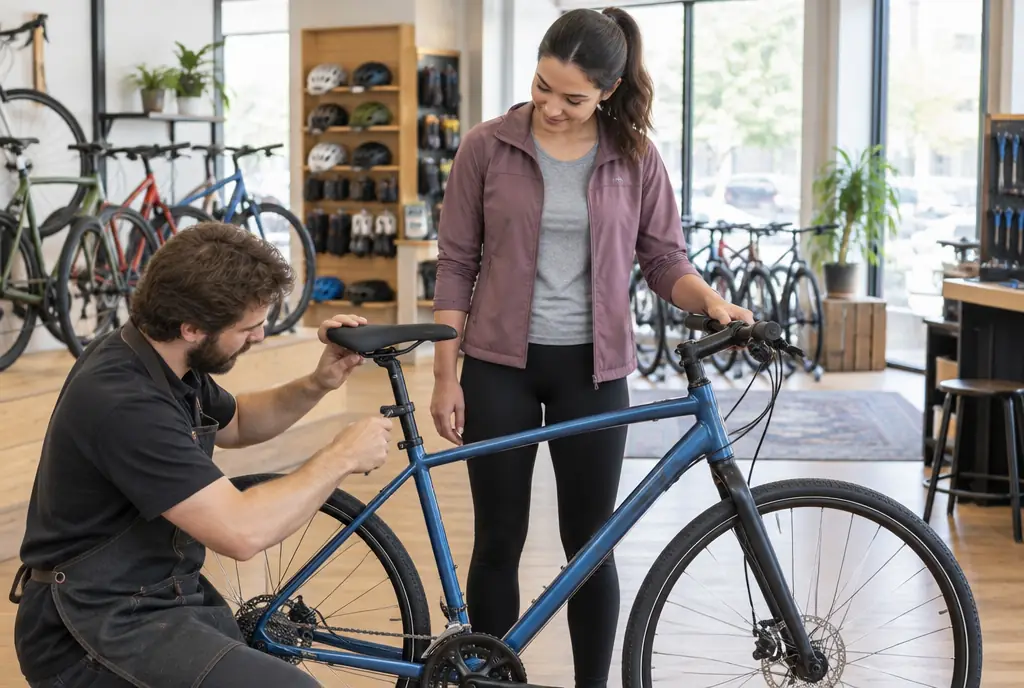
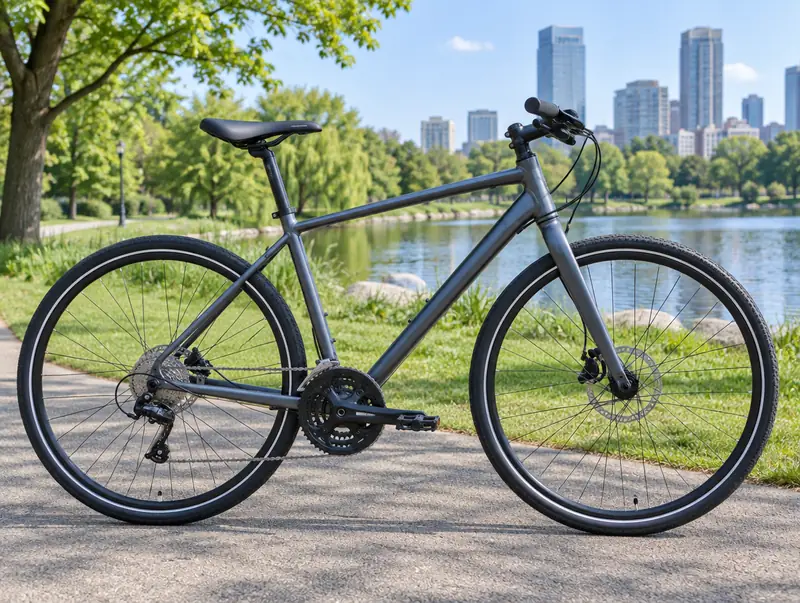
A hybrid combines the light frame and large wheels of a road bike with the flat handlebars and upright position of a mountain bike. Medium-width tires handle paths, light gravel and city streets comfortably. Some are sportier ("fitness hybrids"), others more comfort-focused, sometimes with a suspension fork. Hybrids are the most popular bike for beginners for good reason.
- Best for: beginners, fitness, commuting, bike paths, casual rides.
- Not ideal for: serious trail riding or fast group road rides.
Pros
- Comfortable and easy to ride
- Versatile across surfaces
- Affordable; easy to add racks and fenders
Cons
- Only one hand position on flat bars
- Not specialized for speed or trails
City and commuter bikes
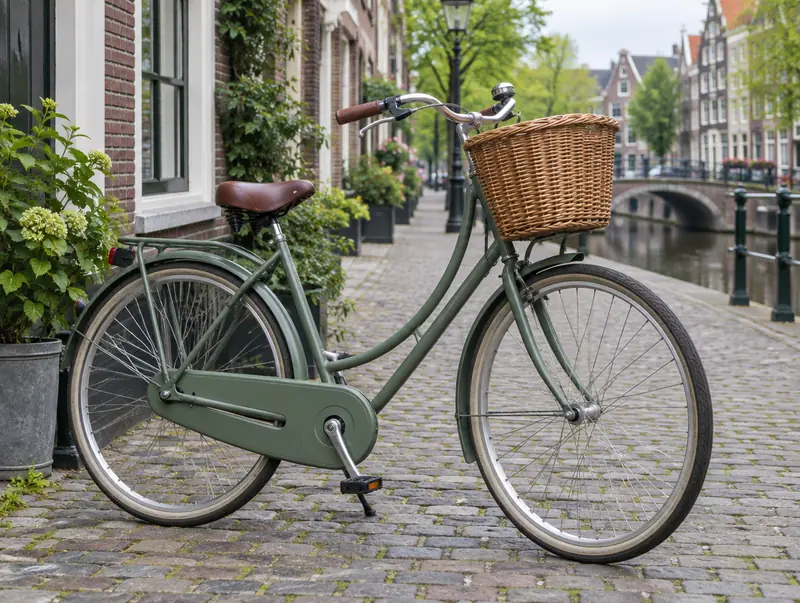
City bikes — including classic Dutch-style bikes — are designed for everyday transport. Expect a very upright position, a step-through or low frame for easy mounting, full fenders, a chain guard to protect clothes, a rack or basket, and often built-in dynamo lights and hub gears. They are not fast, but they are comfortable, low-maintenance and practical in any weather.
- Best for: commuting in normal clothes, errands, short city trips.
- Not ideal for: long, hilly or fast rides.
Pros
- Practical features built in
- Very comfortable, easy to mount
- Low maintenance
Cons
- Heavy
- Slow on hills and long distances
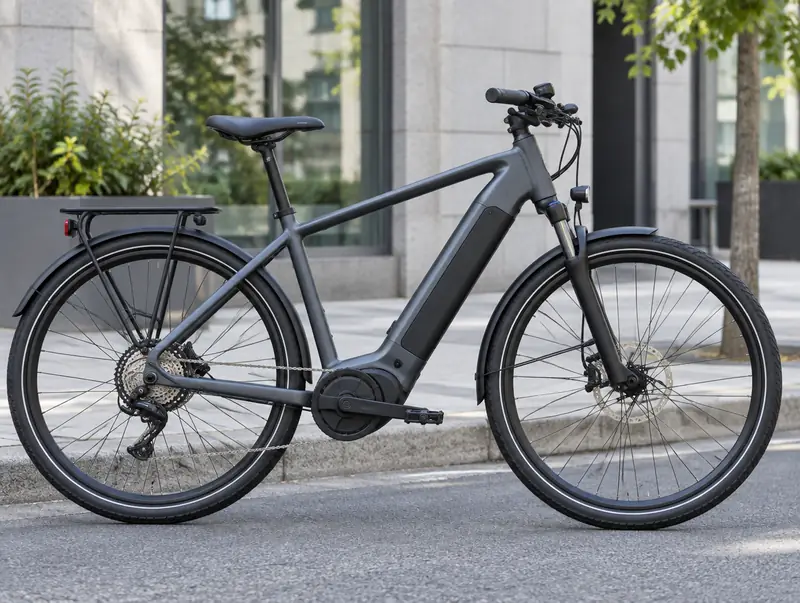
Electric bikes (e-bikes)
An e-bike has a battery and motor that assist you as you pedal. Almost every category now has an electric version: e-hybrids, e-city bikes, e-mountain bikes, e-gravel and e-cargo bikes. Mid-drive motors (at the pedals) feel natural and climb well; hub motors (in the wheel) are simpler and cheaper. Rules on maximum assisted speed and power differ between countries and regions, so check local regulations before you buy.
- Best for: hilly areas, long commutes, arriving without sweat, riders returning from injury or with lower fitness.
- Not ideal for: anyone who must carry the bike up stairs regularly.
Pros
- Makes hills and distance easy
- Encourages riding more often
- Can replace many car trips
Cons
- Heavy and more expensive
- Battery needs charging and eventual replacement
- Higher theft risk
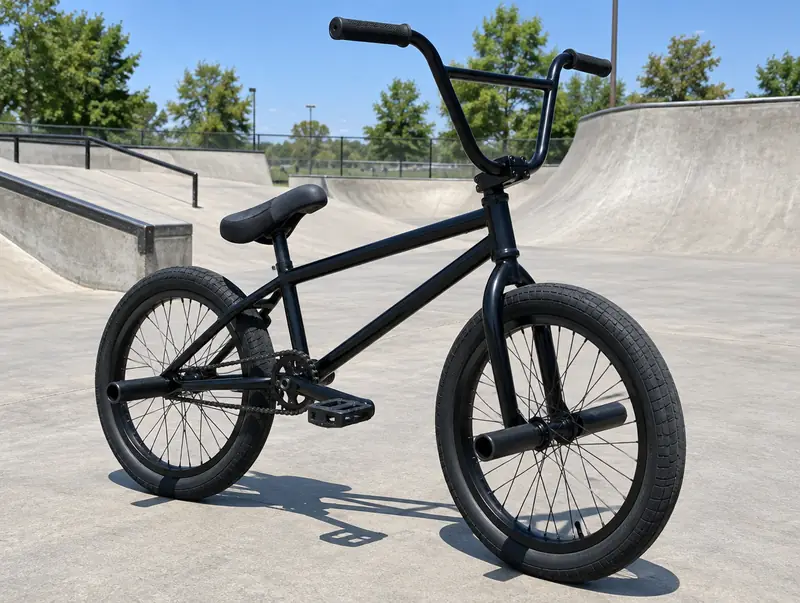
BMX bikes
BMX (bicycle motocross) bikes have small 20-inch wheels, a single gear, a compact and very strong frame and a low saddle — they are ridden standing up. Freestyle BMX bikes are built for tricks in skateparks and on the street, while race BMX bikes are lighter and built for sprinting around dirt tracks. BMX racing and freestyle are both Olympic sports.
- Best for: tricks, skateparks, pump tracks, BMX racing, kids and teens.
- Not ideal for: getting from A to B over any real distance.
Pros
- Very tough and simple
- Great for skills and fun
- Affordable
Cons
- Uncomfortable for seated riding
- Single gear, not for distance
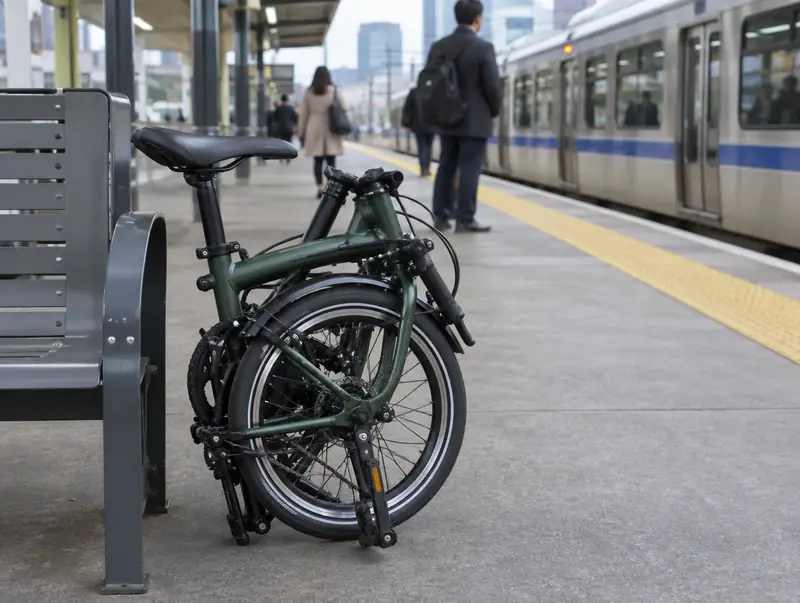
Folding bikes
Folding bikes use small wheels (usually 16 or 20 inches) and hinged frames that fold in seconds into a compact package. They are the perfect companion for train and bus commuters, apartment dwellers, boat owners and travelers. Good folding bikes ride surprisingly well; cheaper ones can feel flexy and heavy.
- Best for: combining cycling with public transport, small living spaces, travel.
- Not ideal for: rough roads or long, fast rides.
Pros
- Take it anywhere, store it anywhere
- Reduces theft risk — bring it inside
Cons
- Small wheels feel twitchy on bumps
- Quality models are pricey
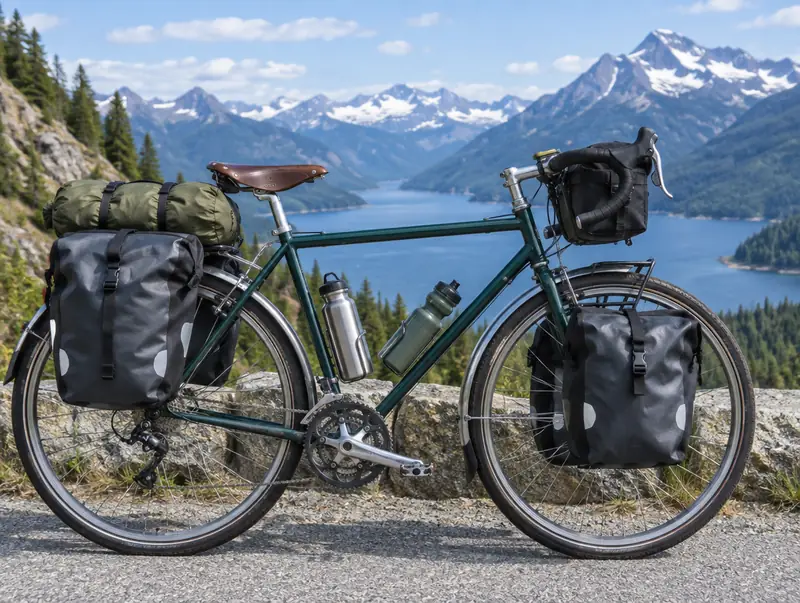
Touring bikes
Touring bikes are the long-haul trucks of the bicycle world. Usually built from steel, they have a long wheelbase for stability with heavy loads, mounts for front and rear racks, low gearing for climbing with luggage, and strong wheels. They are built for reliability and comfort over weeks on the road rather than speed.
- Best for: multi-day and round-the-world trips, heavy commuting loads.
- Not ideal for: fast, light riding or technical trails.
Pros
- Stable and comfortable when loaded
- Extremely durable, easy to repair worldwide
Cons
- Heavy and slow when unloaded
- Fewer models available than before gravel bikes arrived
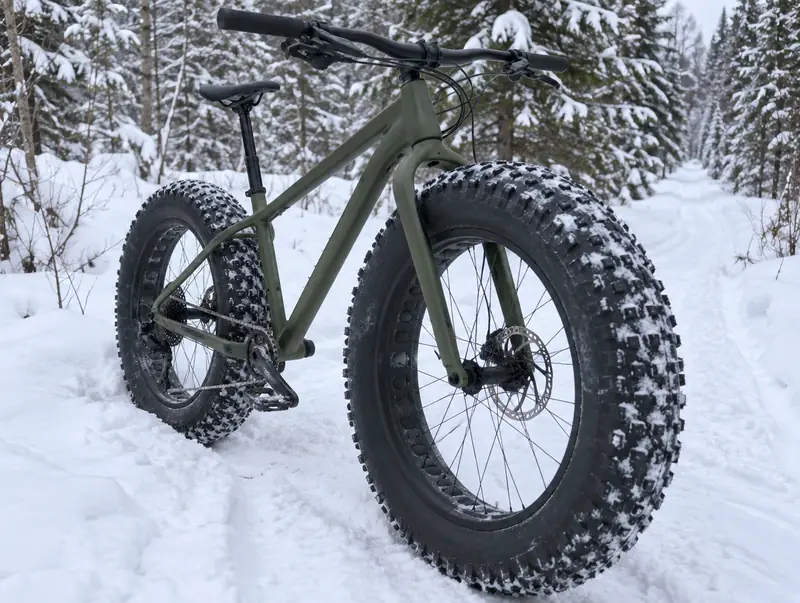
Fat bikes
Fat bikes have huge tires, usually 3.8 to 5 inches wide, run at very low pressure. The enormous contact patch "floats" over snow and sand where normal bikes sink. They are popular in snowy climates for winter trail riding and on beaches.
- Best for: snow, sand, winter trail riding, soft terrain.
- Not ideal for: pavement or fast riding.
Pros
- Rides where other bikes cannot
- Very stable and fun
Cons
- Heavy and slow on hard ground
- Specialist tires and parts
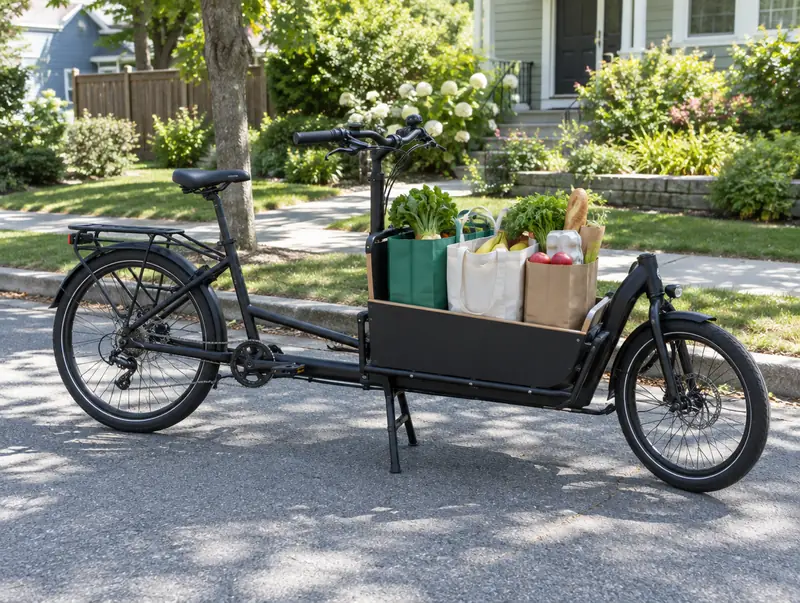
Cargo bikes
Cargo bikes are designed to carry large loads — children, groceries, tools or deliveries. Front-loaders (also called bakfiets) have a box in front of the rider; long-tails have an extended rear rack that can carry passengers or bags. Many are electric, which makes carrying heavy loads easy even on hills.
- Best for: school runs, shopping, small businesses, replacing a car.
- Not ideal for: small storage spaces or narrow stairways.
Pros
- Can genuinely replace a second car
- Kids love riding in them
Cons
- Large, heavy and expensive
- Needs secure, spacious parking
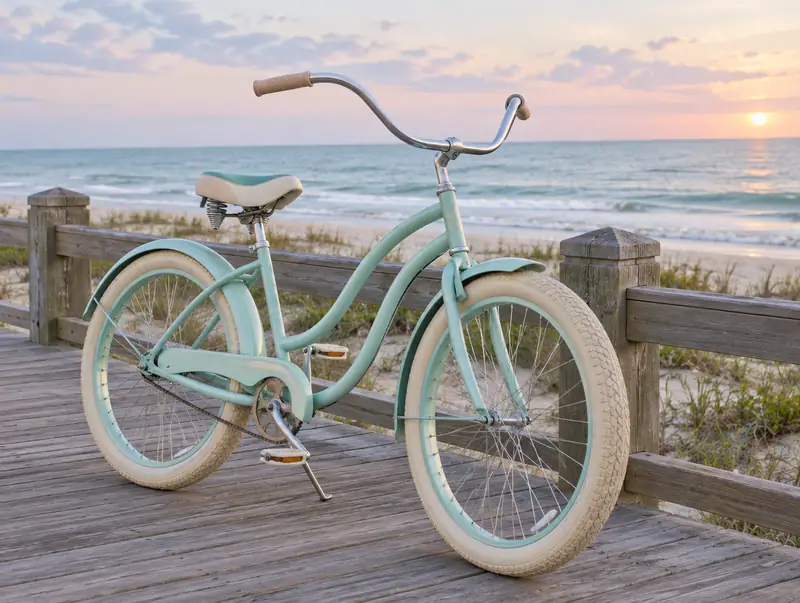
Cruiser bikes
Beach cruisers are all about relaxed style. They have swept-back handlebars, a wide cushioned saddle, balloon tires and often a single speed with a coaster (back-pedal) brake. They are perfect for flat seaside paths and short leisure rides.
- Best for: flat, easy leisure rides, beach towns, style.
- Not ideal for: hills, long distances or speed.
Pros
- Very comfortable and simple
- Classic, stylish looks
Cons
- Heavy, few or no gears
- Hard work on hills
Other bike types worth knowing
- Track bikes — fixed-gear, brakeless bikes for velodrome racing.
- Fixed-gear and single-speed bikes — simple, low-maintenance urban bikes with one gear.
- Cyclocross bikes — race bikes for short, muddy off-road circuits; similar to but racier than gravel bikes.
- Recumbent bikes and trikes — you sit in a reclined seat; very comfortable and aerodynamic, and useful for riders with balance or back issues.
- Tandems — bicycles built for two riders.
- Kids' bikes and balance bikes — sized by wheel diameter (12" to 24"); balance bikes without pedals teach young children to balance first.
- Dirt jump bikes — tough, small-framed hardtails for jumps and pump tracks.
How to choose between bike types
Start with where you will ride most often and what matters most to you — comfort, speed, carrying capacity or storage. If you are still unsure, a hybrid (for mostly paved riding) or a gravel bike (if you want drop bars and mixed surfaces) are the safest all-round choices. Our beginner's guide walks you through the decision step by step, and the bike finder on our home page gives a quick recommendation.
Frequently asked questions
What is the difference between a gravel bike and a hybrid?
A gravel bike has drop handlebars, a sportier position and is designed for speed over mixed surfaces and long distances. A hybrid has flat handlebars and a more upright, relaxed position, making it easier and more comfortable for casual riding and commuting.
Can I ride a mountain bike on the road?
Yes, but it will feel slow and heavy because of the knobby tires and suspension. If you ride mostly on roads, a hybrid or gravel bike is a much better choice. Fitting smoother tires to a hardtail mountain bike can make it a decent city bike.
What is the most versatile type of bike?
Gravel bikes and hybrids are the most versatile. Gravel bikes suit riders who want speed and drop bars across mixed surfaces; hybrids suit riders who want comfort and simplicity for paths, roads and light trails.
Are e-bikes considered bicycles?
In many countries, pedal-assist e-bikes that stay within legal power and speed limits are treated like ordinary bicycles. Faster or throttle-controlled models may be classed differently and require registration or insurance. Rules vary, so check your local laws.